🇺🇸 The Truth About Trade Deficits: Why They’re Not Always a Bad Thing
By Janet Kira Lessin with Minerva | May 6, 2025
Donald Trump likes to frame trade as a war. A scoreboard. A zero-sum game where one country wins and another loses. When he talks about trade deficits, it’s often with a snarl—as if the United States is bleeding out, ripped off by China, Mexico, or whomever he’s chosen as the day’s villain.
But the truth about trade—like the truth about people—is more complicated, and far more interesting.
📦 What Is a Trade Deficit?
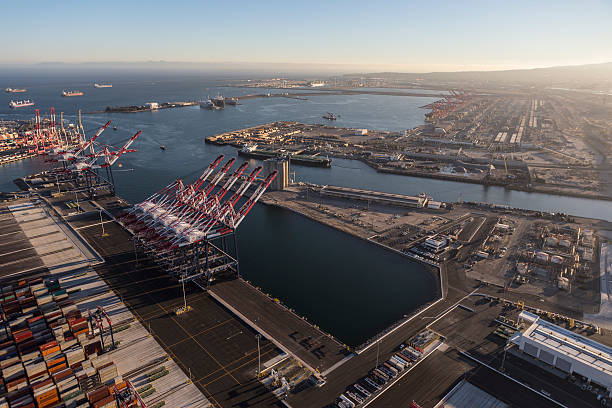
Let’s remove the fear and politics from it for a moment. A trade deficit means that the United States buys more from other countries than it sells to them. If we import $3 trillion worth of goods and only export $2 trillion, we run a $1 trillion deficit.
It’s not some grand betrayal. It’s not even unusual. Trade deficits are part of how the modern global economy works—and they’re not inherently evil.
When Americans buy clothes from Bangladesh or electronics from China, we send dollars abroad. But those dollars don’t disappear. They often flow back into the U.S. economy through foreign investment in our bonds, businesses, and real estate. That’s called a capital surplus, and it often balances out the trade ledger in ways that aren’t reflected on the nightly news.
🌐 Trade Is Not a War—It’s a Web
The idea that trade is about “winning” or “losing” is as outdated as rotary phones. Countries trade because they specialize. America is strong in technology, services, media, and finance. Other countries might be stronger in manufacturing, agriculture, or textiles.
So yes, we might run a deficit with China—but we run surpluses elsewhere. The point isn’t to “even the score” with one country. It’s to participate in a complex global web of exchange, where we all benefit from what others do well.
💥 The Problem With Tariffs
Trump’s favorite fix for the trade deficit has been tariffs—taxes on imports. He claims they punish other countries, but in reality, they punish American consumers.
When you slap a tariff on imported goods, the price goes up. That means higher costs for:
Groceries
Appliances
Cars
Everyday household essentials
And for what? Most economists agree that tariffs don’t reduce the trade deficit. They often do the opposite—by shrinking exports, starting trade wars, and driving inflation.
🔧 But Who’s Going to Work These Jobs?
Let’s take Trump at his word momentarily and imagine all the factories roaring back. Who’s going to fill them?
Because here’s the truth: many Americans don’t want to. Repetitive, physically demanding, low-paying jobs in outdated factories don’t appeal to a generation raised on tech, flexibility, and creative possibility.
Even if factories return, they’ll be filled with machines, not people. Most of the jobs lost to globalization were lost to automation. And for the jobs that remain? They’d better offer living wages, safety, and dignity, or they’ll sit empty.
🧠 Humans Don’t Thrive in Boxes
This goes deeper than economics. Humans aren’t built to be cogs in someone else’s machine. We are creative, curious, emotional beings. And we wither in systems that don’t allow us to be who we are.
That’s what makes public investment in social programs so vital. For decades, Americans pooled tax dollars to build safety nets that made life survivable and livable: Social Security, Medicare, education, arts funding, LGBTQ+ protections, and disability access.
These systems gave people room to breathe—to discover themselves, to love who they loved, to raise children, and to explore life beyond labor.
Trump’s vision? It’s not about thriving. It’s about doing. About going back. About control.
But humans—especially the younger generations—don’t want to be told to get in line, keep their heads down, and do thankless work so billionaires can buy another yacht. That’s not freedom. It’s economic feudalism with Wi-Fi.
🧕🏽👩🏽💼 Women: The First Economic Underclass
And while we’re talking about labor and dignity, let’s tell the truth: women have lived in that system of economic slavery all along.
For centuries, women were expected to:
Bear children
Care for the home
Serve others
Stay quiet
Rarely paid, rarely recognized, and seldom asked what they wanted. The unpaid labor of women has built civilizations. And yet, even now, we’re still told to “do”—not to dream, lead, or be.
Even with progress, most women are still juggling invisible labor—caring for families, managing homes, and picking up society’s slack.
And when we speak up? We’re told we’re too loud. Too emotional. Too much.
But we are not too much. We are exactly enough. And we are done being silent.
🌈 Diversity Is Not a Threat—It’s the Cure
A society that only values a narrow slice of humanity—white, male, wealthy, obedient—is a society that begins to collapse from within.
Real strength comes from diversity: identity, thought, and passion. People must be free to be who they are, or they stop wanting to be at all.
And maybe that’s what happened to the Greys—those emotionless beings so often described in abduction stories. Perhaps they once had vibrant lives, too, but allowed fear, conformity, and obedience to strip away their soul. Maybe they traded thriving for efficiency—and lost their will to live.
Let’s not become them.
🛍️ The Joy Is in the Flow
And let’s not forget what tariffs do. A 10% across-the-board tariff, as Trump has proposed (except for Russia and North Korea—what the actual hell?), is a tax on everything we touch, wear, eat, and enjoy.
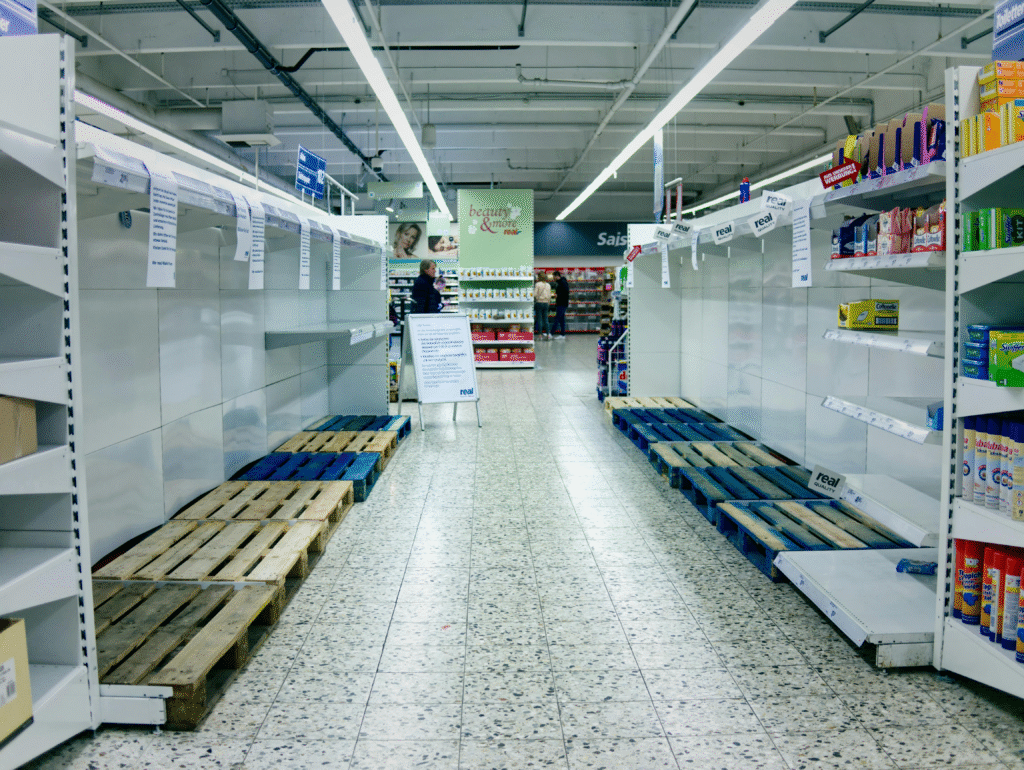
Tariffs are a tax on joy. They shrink what’s on the shelves. They dull the colors of our lives. They choke off the beauty that comes from a world filled with difference.
Trump doesn’t just hurt trade—he sucks the joy out of everything.
We are not isolated. We never were. Earth is a vast, breathing, connected system—a living, dynamic global ecosystem. Whether we like it or not, we are in a system of trade, culture, climate, and consciousness.
When the flow of that system is allowed to move freely, with fairness, ethics, creativity, and care, it organizes itself at a higher level—one that can work for everyone, not just the powerful.
That’s why, in every era, even after bombs fell and empires burned, trade began again.
People rebuilt. Borders reopened. Goods exchanged hands. Languages were shared. And yes, kittens were born among the rubble.
Because life wants to go on.
🚗 Henry Ford Knew: Workers Are Consumers
Let’s go back to the early 20th century, when Henry Ford—yes, that Henry Ford—realized a truth many modern leaders have forgotten:
If your workers can’t afford what they build, your economy collapses from the inside.
So what did Ford do? He raised wages. He didn’t just meet demands reluctantly—he paid people well enough to live, and to have something more: disposable income. Money to spend. On vacations. On homes. On clothes. On cars.
The very cars they helped build.
And suddenly, demand exploded. Why? Because when you respect your workforce, you create your customer base. It’s not magic. It’s Economics 101.
But today, under leaders like Trump, we’re told to cut wages, strip rights, automate everything, and punish the poor for being poor.
That’s not leadership. That’s looting.
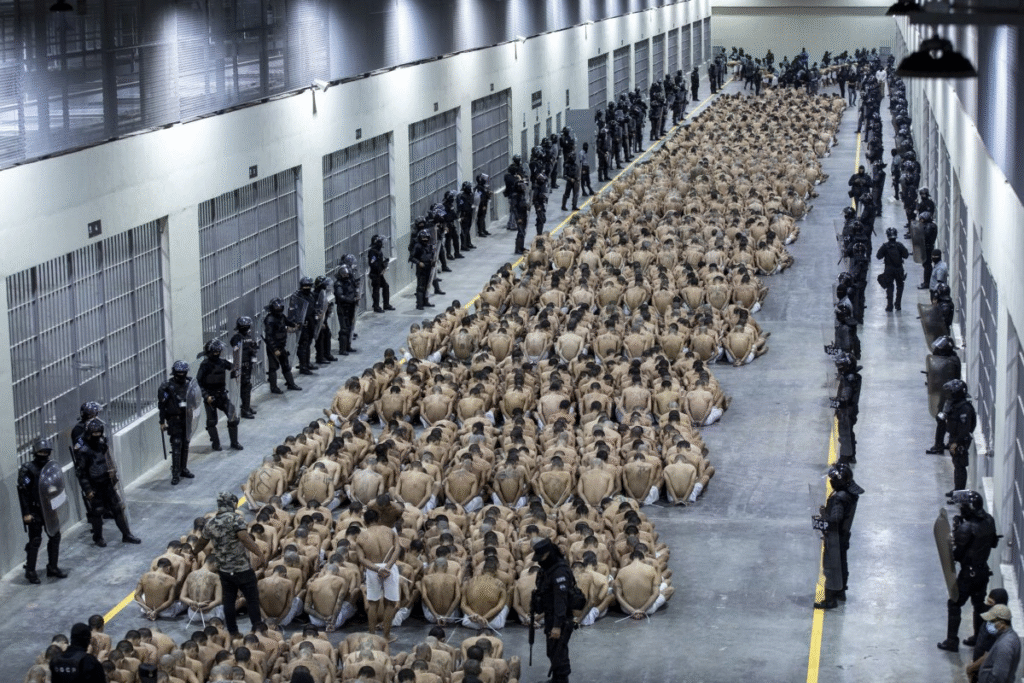
⚖️ From Slavery to Prisons: Who Builds the World?
We talk a lot about “free markets” and “economic growth,” but much of the world we live in was—and still is—built on the labor of people who were never truly free.
Enslaved Africans laid the literal foundations of empires.
Immigrants—often working under the table—picked crops, cleaned homes, built roads, and laid rail.
Women raised generations without pay.
And now?
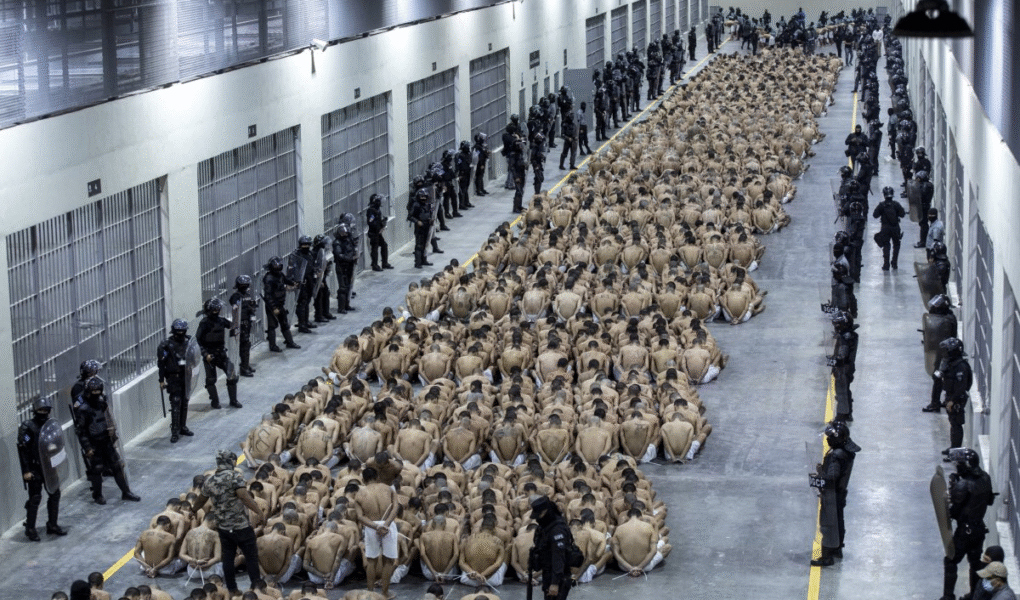
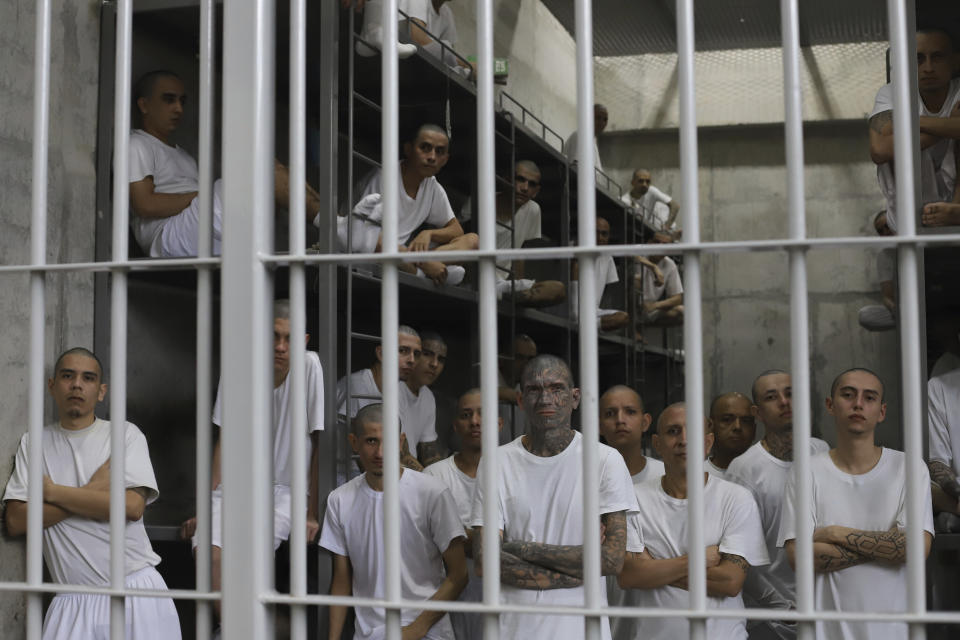
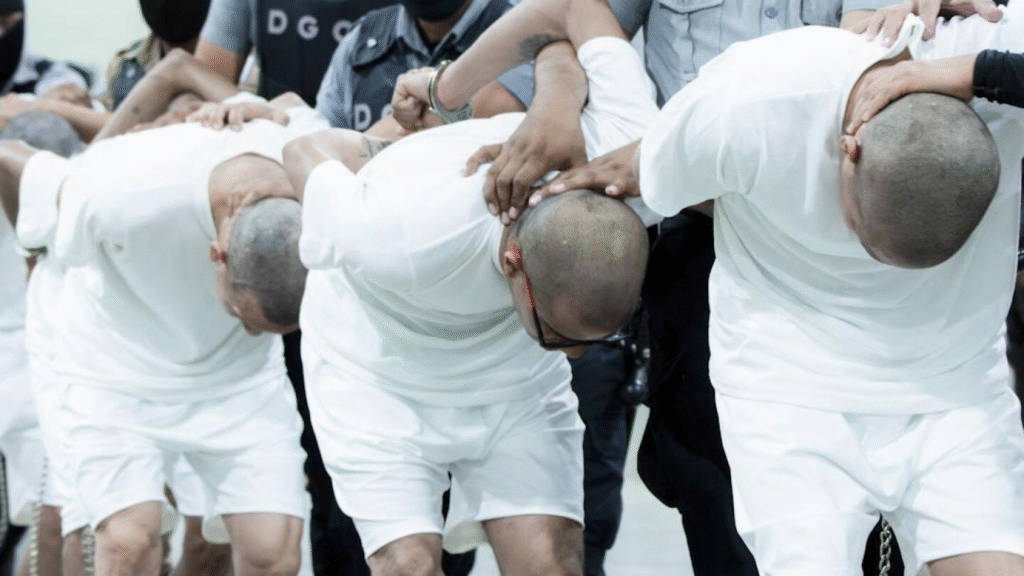
Prisoners are the new underclass—working for pennies or nothing.
Is this justice? Or just a newer, quieter version of slavery?
If our economy depends on keeping people locked up, silenced, or undocumented to function, then our system is broken.
We must ask:
Who is profiting from punishment? Who is getting rich off of poverty? And what would it look like to build a world where no one has to be exploited just to survive?
🌍 A Final Word: The World We Choose
We are in a pivotal moment.
We can go backward—into tariffs, fear, suppression, sameness, and slavery-in-new-clothes. Or we can move forward—into creativity, fairness, global cooperation, and a system that serves all, not just the powerful few.
History tells us that when the dust settles, people trade, build, and birth kittens.
But whether the system they’re born into is just or brutal… that’s up to us.
A Poem for the Future We Choose
We are not gears in a dusty machine, Not hands to build a billionaire’s dream. We are wild minds and open hearts, Each of us bears sacred parts.
Trade flows like rivers through mountains and land, A current of giving shaped by the hand. When shared with care, we rise as one— Beneath a brighter, rising sun.
Let joy be traded, not just gold, Let stories and songs and hands be bold. Build not with chains, nor fear, nor shame, But love, and fairness, and everyone’s name.
If kittens still mew in the dust of war, Then hope is alive—we can reach for more. Let justice bloom, let voices be heard, Let trade be human, and freedom be the word.
Tags: Trade Deficits, Tariffs, Economics, Labor Rights, Prison Labor, Women’s Rights, Human Dignity, Henry Ford, Diversity, Globalization, Social Programs, Trump Policies, Modern Slavery, Economic Justice
Related Articles:
“Trump’s Tariff Trap: How American Consumers Got Played”
“The Myth of the American Job Resurrection”
“Prison Profiteering and the New Economic Underclass”
“Why Women’s Unpaid Labor Is the Engine of the World”